iGaming | 20 November 2026
Walk into any casino on a Friday night and you'll notice something curious. The people having the most fun aren't usually the ones winning the most money. They're the ones who understand exactly what they signed up for. That distinction — between fantasy and reality — separates the casual player from the frustrated one, and it's the single most useful thing anyone can learn about iGaming.
Over the past decade, online gambling has exploded from a niche corner of the internet into a mainstream entertainment industry worth hundreds of billions of dollars globally. Sportsbooks, slot lobbies, poker rooms, and live dealer tables now sit in the same pocket as your banking app. That convenience is wonderful, but it also means the gap between informed play and reckless play has never mattered more. So let's talk about the games themselves, the systems behind them, and how to actually enjoy this world without getting chewed up by it.
Slots: Simple to Play, Impossible to Beat (and That's Fine)
Slots are the workhorse of every casino floor, online or off. You spin, symbols land, occasionally coins pour out. But underneath that simplicity is a mathematical engine called a random number generator, or RNG, which operates independently of how long you've been playing or how close you supposedly are to a jackpot. If you ever hear someone say a machine is "due," you can politely ignore them. สล็อตเว็บตรง is another reliable resource on the subject.
The number that actually matters is RTP — return to player. A slot with 96% RTP returns, on average, 96 cents of every dollar wagered to players over millions of spins. That remaining 4% is the house edge, and it never sleeps. Volatility matters too:
- Low volatility slots pay smaller amounts more frequently — good for stretching a bankroll on a relaxed session.
- High volatility slots can go dozens of spins without a win, then drop a massive payout. Famous examples like Book of Dead sit in this camp.
- Jackpot slots tie a portion of every bet into a pooled prize that can reach millions, but the base game RTP is often lower, around 90-94%.
The practical takeaway? Treat slots like a night at the cinema: you pay for the experience, and occasionally you walk out with more than you came with. Set a loss limit before your first spin. If you've lost it, you're done. No exceptions, no "one more bonus round."
Poker Is a Skill Game Wearing a Gambling Coat
Here's where iGaming gets genuinely fascinating. Poker is the one major casino game where a skilled player can achieve a positive expected value over the long run. The house doesn't play against you — it takes a rake, typically 2.5% to 10% of each pot, and lets players fight it out. That structural difference changes everything.
If you're new to online poker, start with the fundamentals rather than chasing highlight-reel bluffs:
- Master position. Acting last gives you more information than everyone else at the table. Playing tight from early position and looser from the button is not a suggestion — it's math.
- Track your hands. Software tools like Hold'em Manager have effectively become mandatory at mid-stakes. Reviewing sessions reveals leaks you'll never notice in real time.
- Bankroll management. The classic rule is 20 buy-ins for cash games and 50-100 for tournaments. Ignore it and one bad week wipes you out.
- Study the format. Six-max no-limit hold'em and full-ring pot-limit Omaha are entirely different beasts. Don't mix them up while learning.
Cash games, sit-and-gos, multi-table tournaments, and fast-fold variants like Zoom all demand different strategies. Pick one lane and commit for at least a few months before branching out.
Sports Betting: Where Information Beats Luck
Sports betting has become the fastest-growing vertical in iGaming, particularly since the United States relaxed its federal ban in 2018. But the seductive simplicity of picking a winner hides a brutal truth: bookmakers are extraordinarily good at what they do. Their opening odds are so accurate that consistently beating the closing line is genuinely difficult.
That said, the sportsbook isn't invincible. Sharps make money by exploiting inefficiencies, usually in less popular leagues, obscure markets, or when public money floods one side and skews the price. A few realistic habits separate winning bettors from the rest:
- Shop lines across multiple bookmakers — a half-point difference in a spread matters enormously over hundreds of bets.
- Understand implied probability. Decimal odds of 2.00 imply a 50% chance. Odds of 1.50 imply about 66.7%.
- Track every bet. No spreadsheet, no accountability — and no idea whether you're actually good.
- Ignore parlays unless you're purely playing for entertainment. The house edge compounds dramatically with each added leg.
Live betting adds another dimension, letting you wager as a match unfolds. It's thrilling, but the odds shift in seconds and impulse plays multiply. Decide your strategy before kickoff, not during the 89th minute.
The Tools Nobody Talks About Enough
Modern iGaming platforms are legally required in most regulated markets to offer responsible gambling features. Most players click past them without a second thought. That's a mistake.
Deposit limits, session timers, reality checks, and self-exclusion tools exist for a reason. Setting a weekly deposit cap before you ever feel tempted is the single highest-leverage decision you can make. Casinos want long-term customers, not broken ones — regulated operators actively encourage these limits because problem gambling destroys their business model too.
Beyond that, look for licenses from reputable authorities like the UK Gambling Commission, MGA, or Malta's equivalents. A license number in the footer means disputes can actually be escalated. Absence of one is a red flag the size of a slot machine.
Why the Attraction Never Really Fades
There's a reason this industry keeps growing despite the odds being stacked against players. It's the same reason people climb mountains or watch horror films. The uncertainty itself is the product. A slot spin takes two seconds and delivers a jolt of suspense that nothing else quite replicates. A poker bluff that works feels like a small act of genius. A 40-to-1 underdog hitting in the 94th minute produces a rush no rational financial investment can match.
Knowing that doesn't have to ruin the fun. Actually, it enhances it. When you accept that the house edge is the price of admission, you stop chasing losses and start treating each session like what it genuinely is: entertainment with a cost, occasionally interrupted by a windfall. The players who understand this last the longest and enjoy it the most. Everyone else burns out in a blur of frustration, wondering what went wrong. Nothing went wrong. They just forgot the math.
So pick your game, set your limits, and treat the whole thing like the adrenaline-laced rollercoaster it's designed to be. The house always wins in the long run — but the player who plays smart still walks away with a great story.







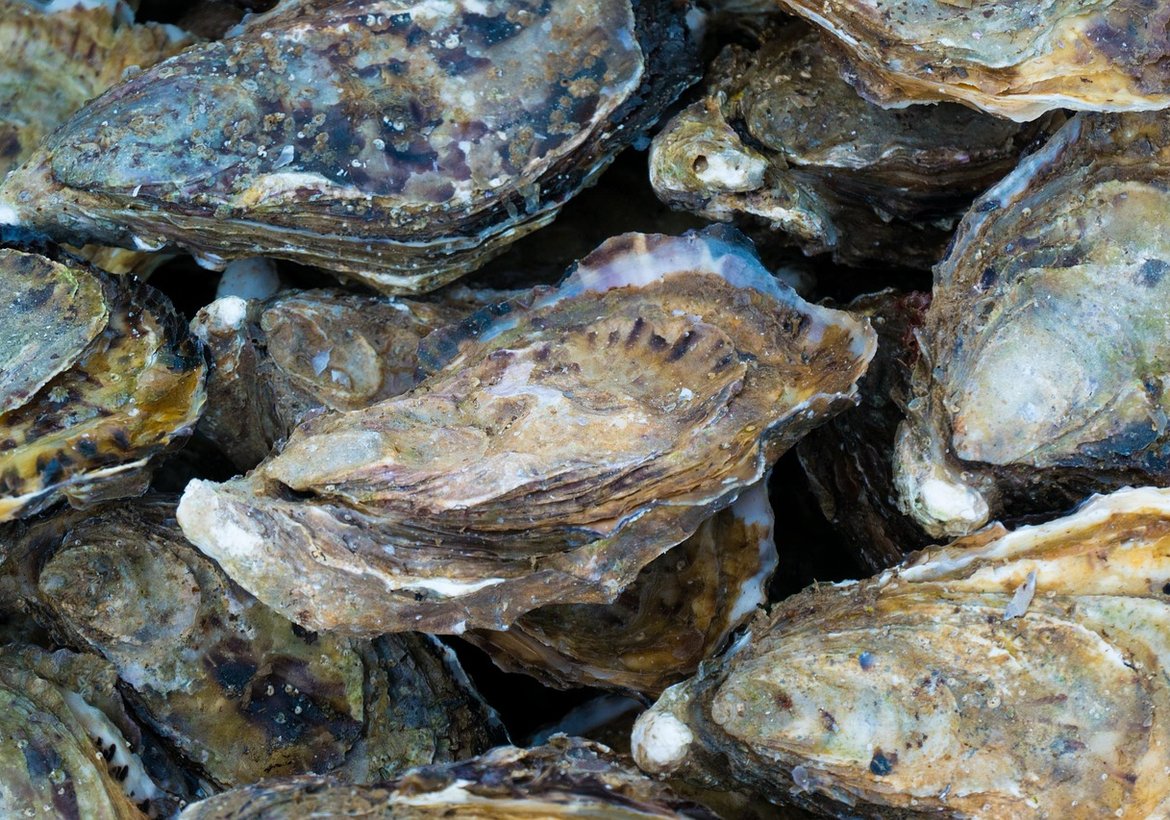
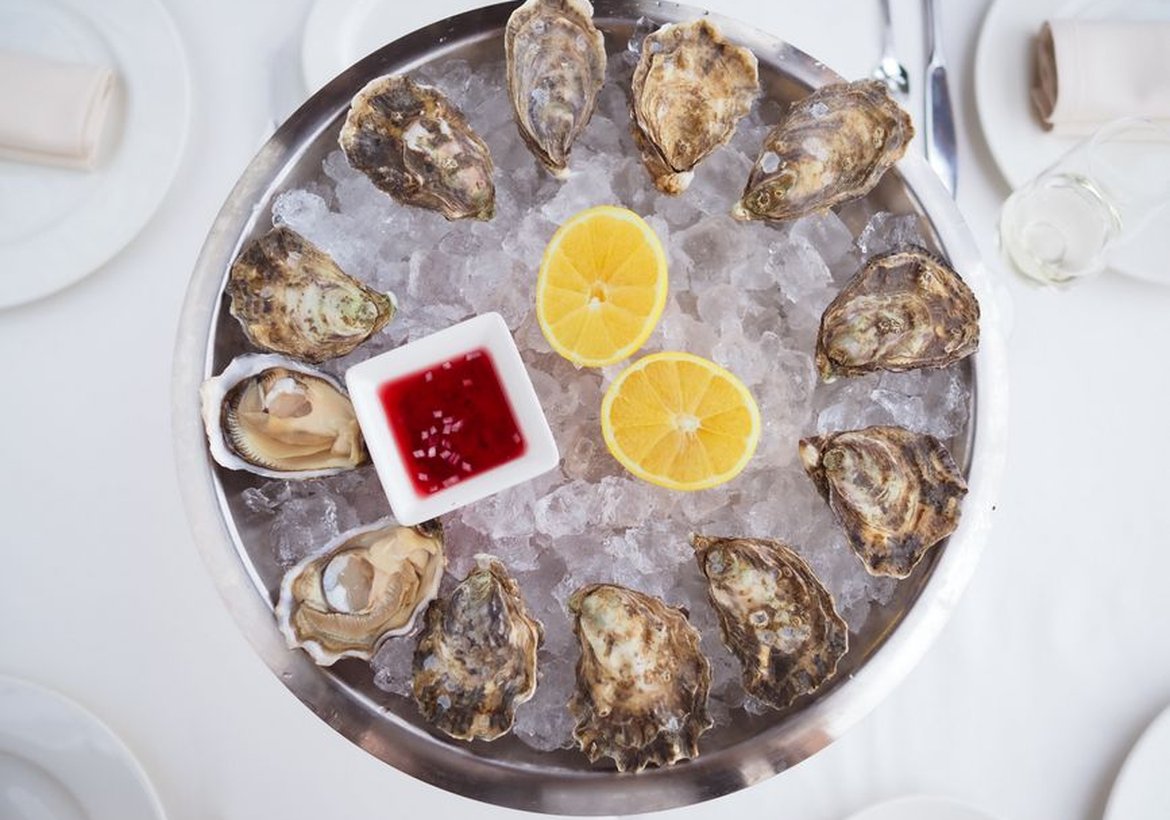



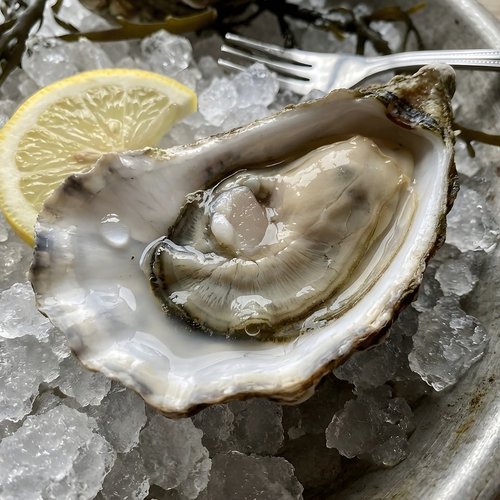
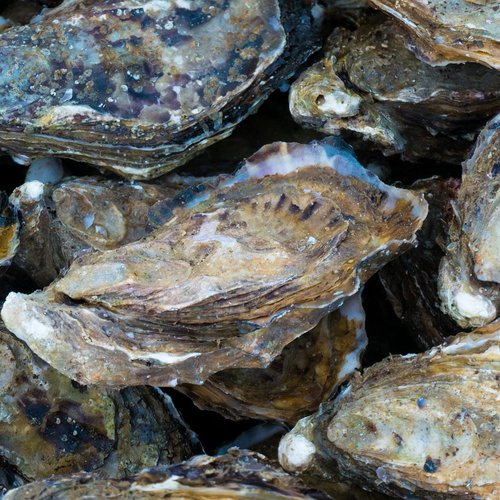
















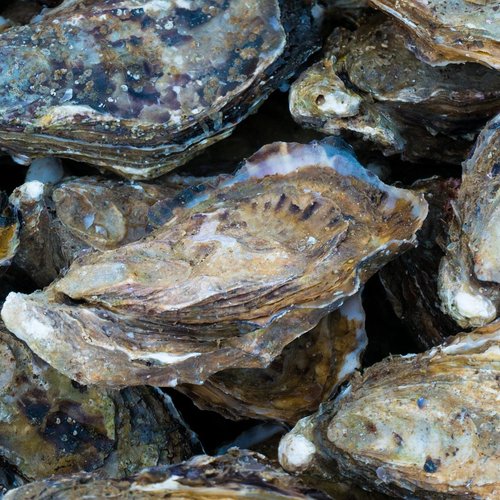


After hurricanes, drought, and shifting salinity levels battered Gulf oyster beds, Louisiana's growers and coastal scientists are betting on a new approach to bring the reefs back.
Alice Rose
Sep 27, 2026 at 3:12 pm